
Every major rebrand you’ve ever seen started with a business decision. Not a design brief.
The logo is always the last thing to change. It’s just the first thing you notice.
People assume a rebrand starts with a new logo. It’s almost always the final output of a much bigger business call.
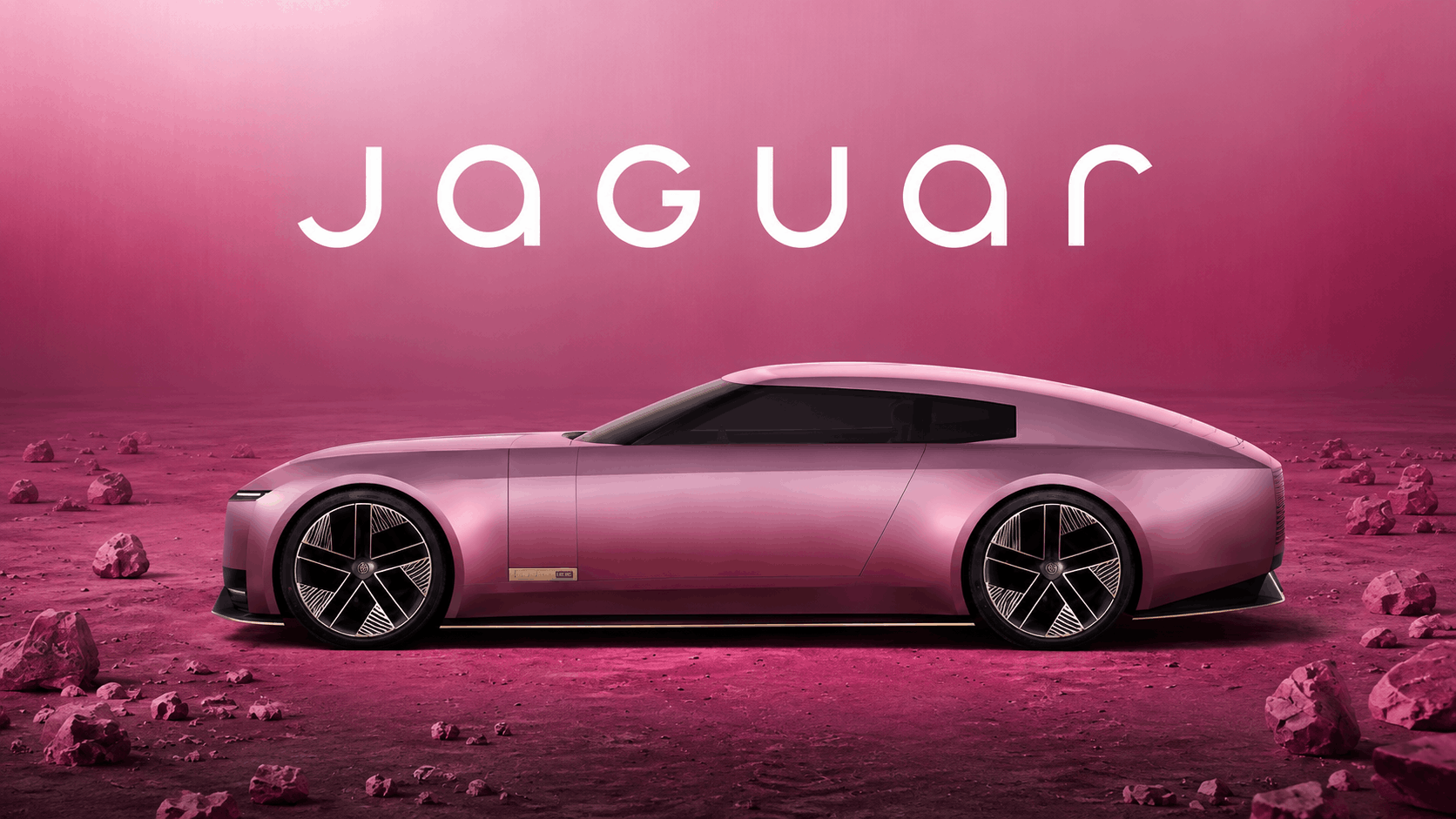
Jaguar rebranded to prepare for an all-electric future and a completely different customer. Lamborghini evolved its identity around long-term sustainability goals. PayPal redesigned as it grew from a checkout button into a global financial platform. In every case, the business changed first. Design just gave that change a face.
The pattern repeats everywhere. New markets, new products, moving upmarket, going international, chasing a new audience, these are business decisions that change how a company wants to be seen.
A rebrand is the bridge between what a business has become internally and what customers understand externally. This is why so many redesigns fail before they start.
Founders ask for a new logo because the current one “feels outdated.” But appearance is rarely the actual problem. The better question: what’s actually changed about the business? If the answer is nothing, a new logo alone won’t shift how customers see you. The order only works one way. Business strategy sets the direction. Brand strategy translates it into a face the market can recognise.
WHAT CLUNK® THINKS
A rebrand should never begin with aesthetics. It should begin with intent.
The strongest identities in the world are built to reflect a business that’s already evolving. When strategy leads, design gains purpose. When design leads without strategy, it often becomes cosmetic, creating attention without changing perception.
A logo doesn’t transform a business. It communicates that the business has already transformed.
How does it land?


HAVE APROJECT IN MIND?LET’S TALK.
Tell us what you’re building and we’ll tell you, straight, what it could become. No pressure, just a real conversation about your brand.