
One logo decision erased nearly $100 million in market value. In 72 hours.
Not every dated asset is a design problem. Some are the whole reason people trust you.
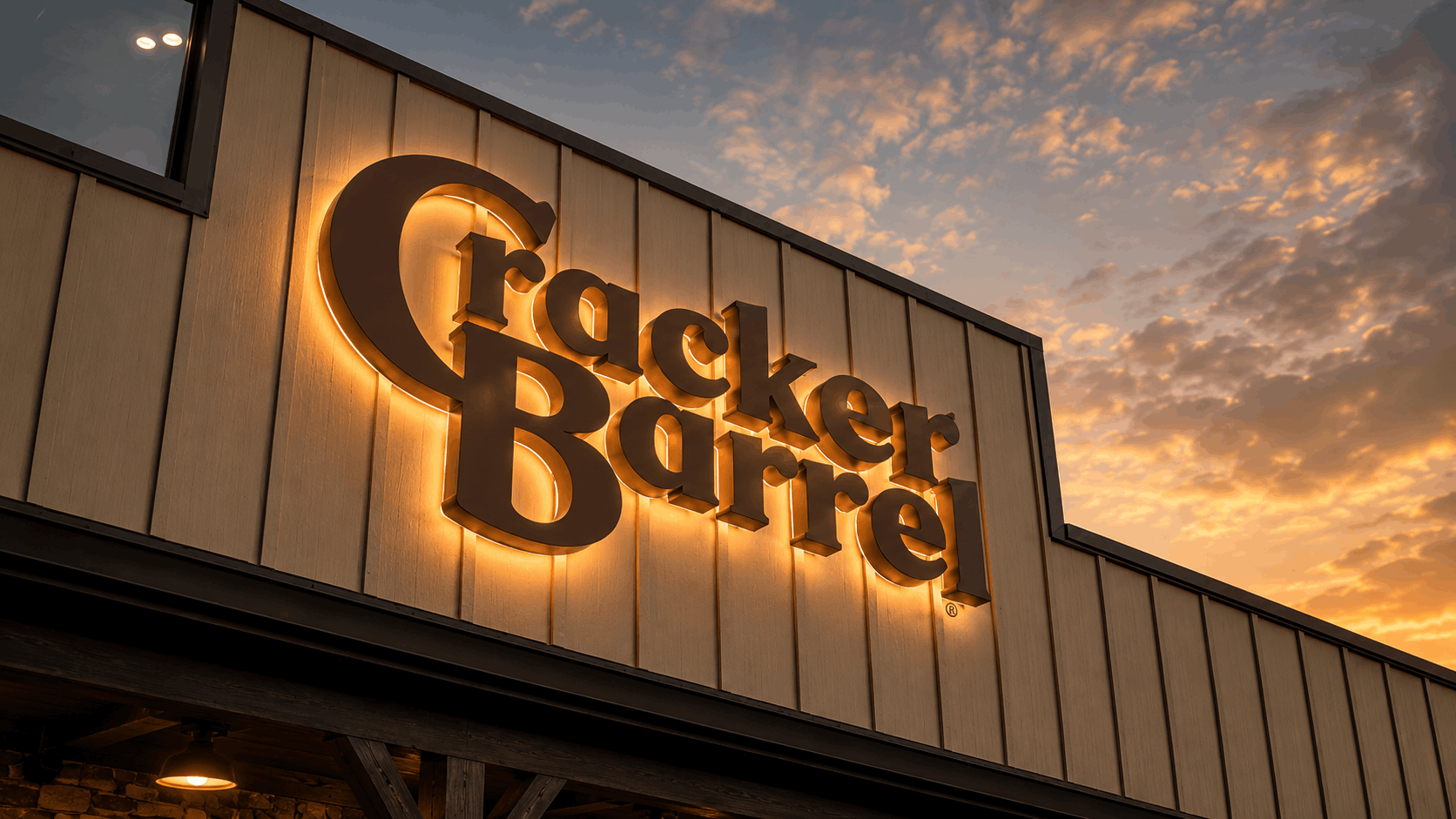
Late 2025: Cracker Barrel, the iconic American restaurant chain, unveils a new identity. At the centre of it, the removal of Uncle Herschel, the illustrated character that had carried the brand’s identity for decades.
From a design standpoint, the new logo was cleaner, more contemporary. From the customer’s standpoint, it stopped looking like Cracker Barrel.
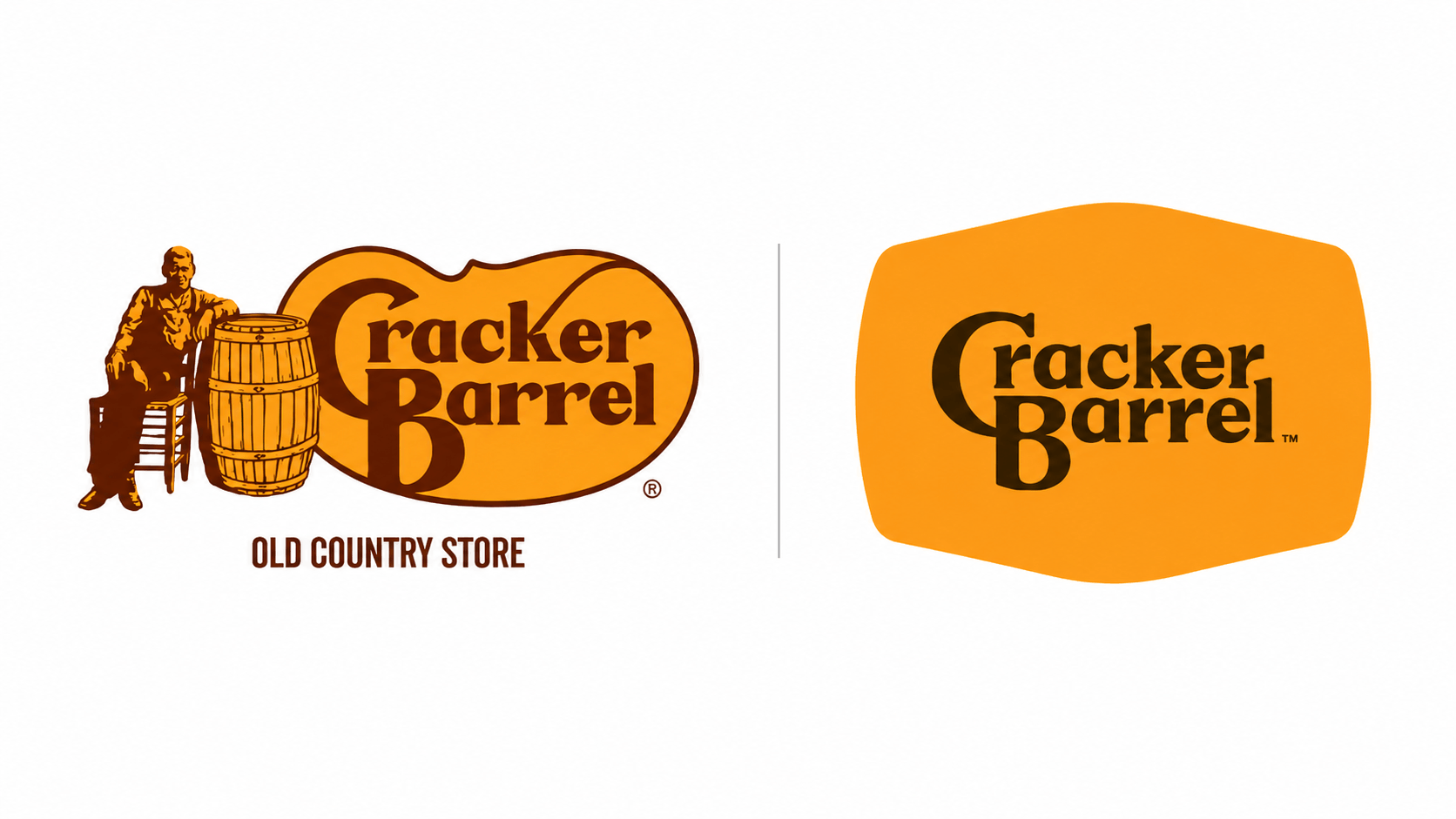
The backlash was immediate. Criticism escalated within hours. Long-time customers pushed back hard, and what looked like a visual update turned into an emotional conversation about identity, familiarity, and ownership.
Within days, Cracker Barrel’s market value dropped by close to $100 million. Brand equity and business performance, it turns out, are closely wired together.
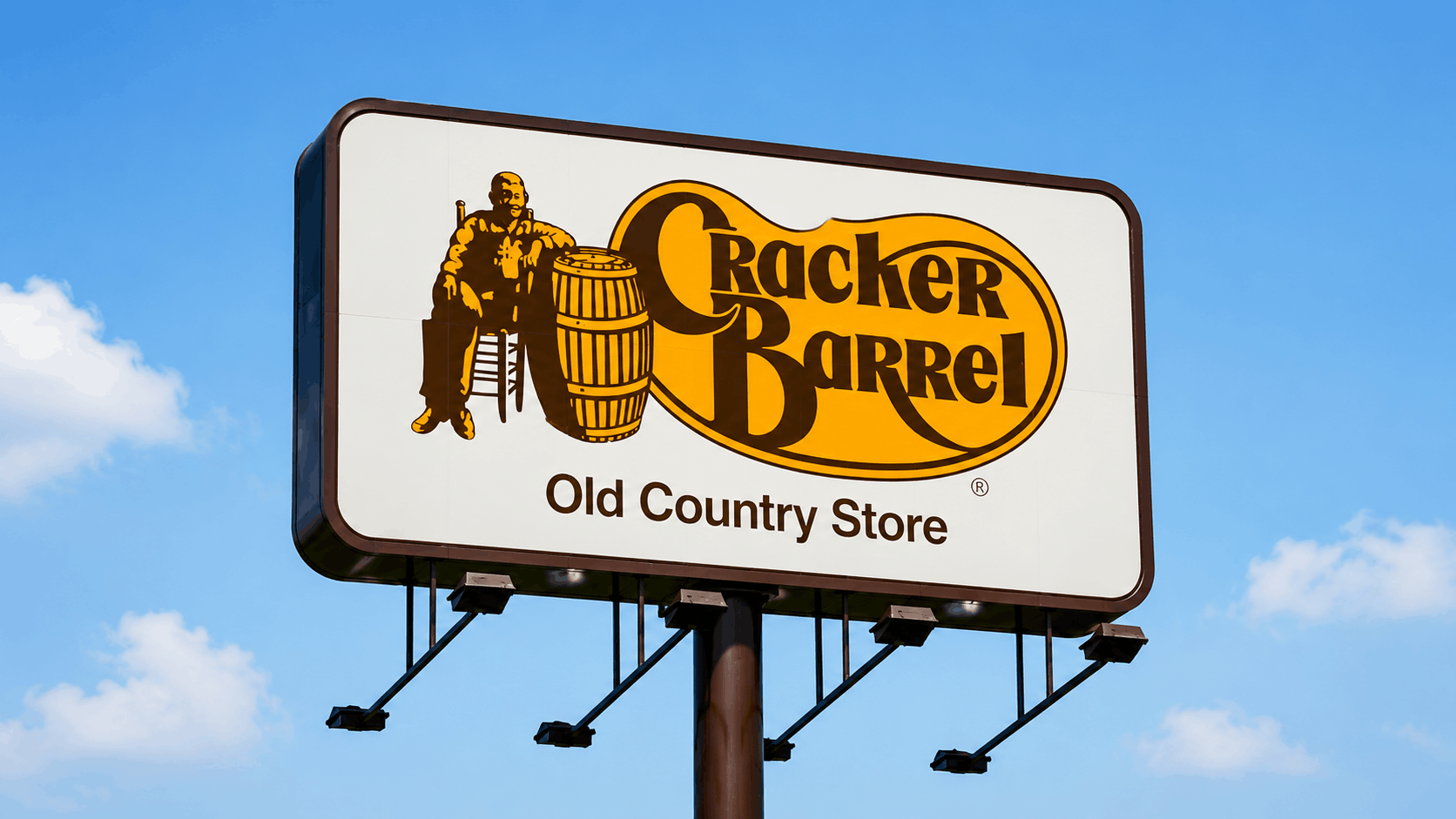
The company reversed course. Uncle Herschel came back, the new logo got shelved, and Cracker Barrel publicly owned the importance of its own heritage. Not every recognisable asset needs modernising just because it looks dated. Some symbols carry decades of emotional meaning that outweigh their aesthetic value completely.
A brand isn’t what the company recognises. It’s what the customer remembers.
WHAT CLUNK® THINKS
The biggest mistake in branding isn’t changing a logo. It’s changing what the logo represents. Every redesign should start with one question: which parts of this identity are carrying customer memory?
Those assets aren’t always the most visually refined, but they’re often the most commercially valuable.
The strongest redesigns don’t start in Figma. They start with understanding what customers are emotionally attached to.
How does it land?
HAVE APROJECT IN MIND?LET’S TALK.
Tell us what you’re building and we’ll tell you, straight, what it could become. No pressure, just a real conversation about your brand.