
Most conglomerates build brands accidentally. PepsiCo builds them by design.
One masterbrand. A dozen personalities. Still unmistakably one family.
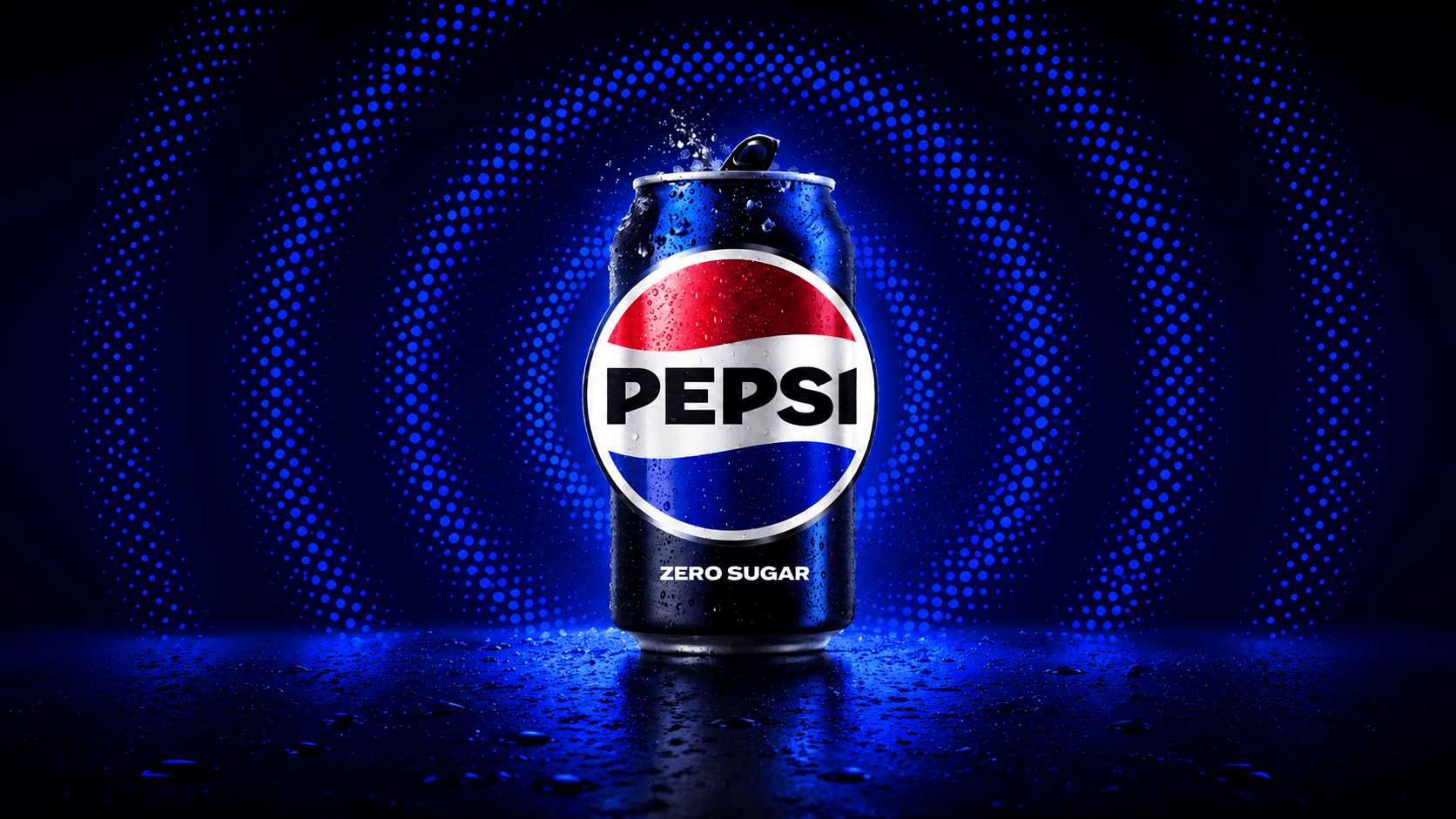
In 2025, PepsiCo made one of the smartest branding moves of the decade, quietly. Instead of leading as a beverage company, it evolved into a broader masterbrand built to represent food, drinks, sustainability and whatever comes next.
The new identity brought softer organic forms, brighter colour, a more human visual language, flexible enough to hold an entire ecosystem, not just one category. Not a redesign. A redesign of how the business presents itself.
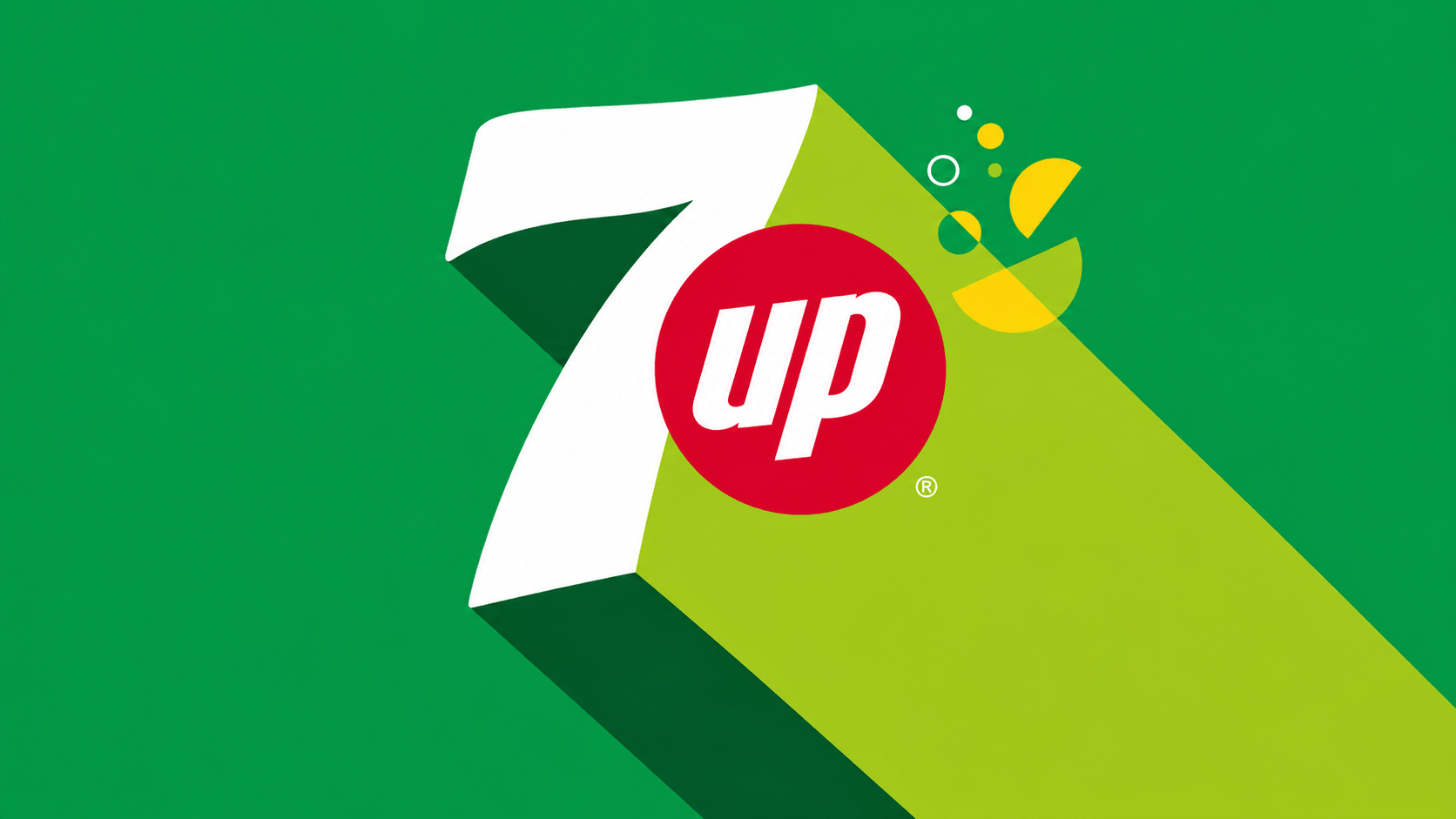
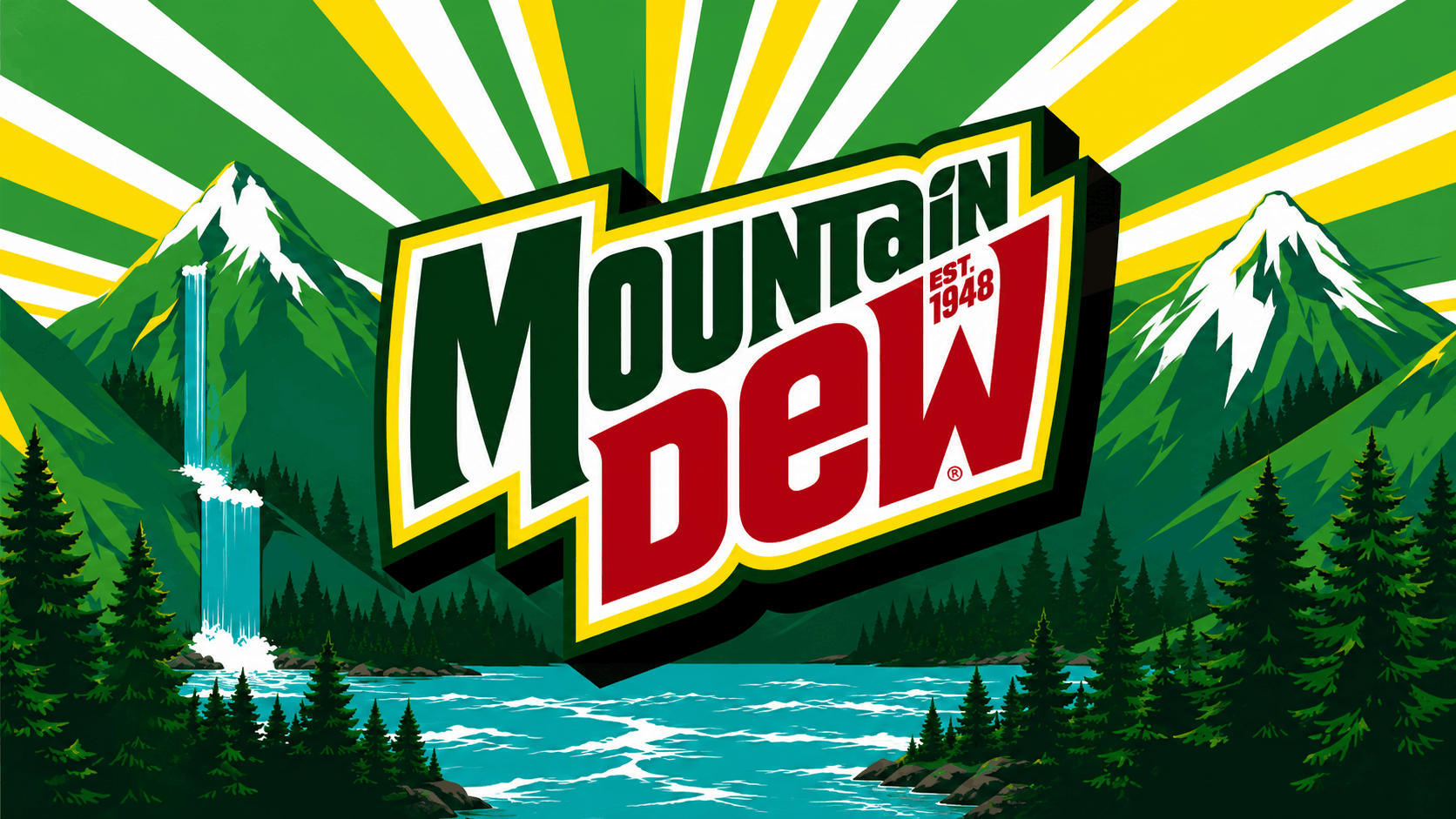
At the same time, every product brand got room to be its own thing. Pepsi leaned nostalgic. 7UP went bold and expressive. Mountain Dew brought back the mountain mark customers had missed. Different audiences, different looks, but still, unmistakably, one family.
That’s brand architecture, the system defining how a parent brand and its sub-brands relate. Think of it like an actual family: everyone has their own personality, everyone shares the surname. Design that relationship well, and customers trust new launches faster.
The strongest brand portfolios don’t create more brands. They create stronger relationships between them.
WHAT CLUNK® THINKS
Brand architecture was never about making every brand look alike. It’s about making them work together.
As a business grows, new products, new categories, acquisitions, every launch either starts from zero, or borrows trust from what’s already been built. Only one of those is a strategy.
How does it land?

HAVE APROJECT IN MIND?LET’S TALK.
Tell us what you’re building and we’ll tell you, straight, what it could become. No pressure, just a real conversation about your brand.